Watch or Listen to the full episode
Ready To Find Out How Much Your Home Is Worth?
Amphay Champathong is a Kalihi native and proud graduate of Kalani High School. He holds a Bachelor’s degree in Sociology, a Master’s in Social Work, and a Juris Doctorate from the William S. Richardson School of Law. As a member of the Hawaii State Bar Association, Amphay dedicates his legal practice to helping families navigate the complexities of estate planning. With a thoughtful and personalized approach, he assists clients with wills, trusts, probate, guardianship, and special needs planning, guiding them through crucial decisions to protect their loved ones and secure their future.
Estate Planning Group is committed to helping Hawaii families preserve their legacy with care and clarity. Their team provides comprehensive services including trust creation, will drafting, probate administration, and strategies for special needs and guardianship planning. By blending legal expertise with a client-focused philosophy, Estate Planning Group ensures that each plan is tailored to the unique needs of the individual or family, delivering peace of mind and a clear path for the future.
To reach Amphay Champathong, you may contact him in the following ways:
Phone: 808-218-9301
Email: [email protected]
Website: https://estateplanningwithaloha.com/ | https://www.epghawaii.com/
Interview Transcription
ADRIENNE:
Well, welcome back, and thanks for listening to the team Lally real estate show, home of the guaranteed sold program, oh, we’ll buy it. I’m Adrienne and I’m still Attilio. And if you have any questions, just give us a call at 7999596, or check us out online at Team lally.com.
ATTILIO:
Our guest today grew up in Kalihi and graduated from Kalani High School. He holds a BA in sociology, a masters in social work and a Juris Doctorate from William S Richardson School of Law. He is also a member of the Hawaii State Bar Association.
ADRIENNE:
He focuses his legal practice on estate planning, helping families with wills, trust probate, guardianship and special needs planning with a thoughtful and personalized approach. He got. Clients through important decisions to secure their future. Please welcome back our guest, Amphay Champathong. Hey, Amphay,
AMPHAY:
hello. Hey. Adrienne, hello,
ATTILIO:
hello, hey. You know what? I know you got stuff for us, but I got a question for you right off the bat. You know when somebody creates a trust. And I know there’s a lot of other things inside the trust that are taking care of healthcare directives pour over wills, all that stuff. You know, who’s going to get the who’s going to get the dogs and all that good stuff and burial instructions. But regarding real estate, specifically regarding real estate, let’s say there’s a trust in place, and this real estate is going to go to the kids equally, and then the person, what is it? Is it the person who makes, who has the trust made for them? Or do you call them the trust? Or
AMPHAY:
that would be the beneficiary we talking made? Oh,
ATTILIO:
no, no, yeah. Like my trust. I’m the trustor for my trust, for my stuff,
AMPHAY:
correct? Yes. Or grantor, sit lower, yup,
ATTILIO:
all those, or, or, or, you know what? In real estate, the grand tour is behind the door. That’s how we remember, um, the door of the house. But anyway, okay, so Attilio, me, I make a truss. I’m the under trust or, boom, I get hit by a bus. I’m dead. I’m up in Pearly Gates, looking down, going, Oh, I’m glad I met with Amphay and had my stuff all squared away in the trust, and then the house is going to be split equally between my four kids. The proceeds. Can someone come after the fact and change my instructions? And I had a fifth kid while I’m up in heaven looking down and getting all like bent out of shape because they’re changing my instructions? Can they like? Is that possible?
AMPHAY:
So it depends on the provisions of the trust, oh, yeah, I can say specifically with regards to the trust that my firm sets up, yeah. It’s very clear that when the grantor or trust or creates the trust, yeah, and then they pass away. Our article says that the entire trust now becomes irrevocable.
ATTILIO:
Irrevocable from what is it living trust I’m alive to, I’m dead, irrevocable.
AMPHAY:
Meaning cannot change, no
ATTILIO:
take backs, no redos,
ADRIENNE:
yes. So Attilio is asking this question because we are coming across something like this.
ATTILIO:
It’s been stated that that’s what took place. We have yet to see the paperwork on that, because we were completely shocked when we heard that somebody could change who gets what proceeds from the sale of a real estate after the passing of the trust or and that. So we’ll, we’ll do it’s like a second date update. We’ll give you guys an update on that situation. We find out. We find out more digging, more digging, more research, title reports. Take a look at the trust, seeing what’s been recorded on the property itself, any kind of judgments and all of that. So we’ll circle back on that and and find out what what you talked about, it depends, right? And we’ll find out what that depends situation with how the trust is written back to our original programming and fee. You had something for us this week you want to talk
AMPHAY:
about? You know, I’ve come across a few families, right, that that actually created their estate plans, yeah, but failed to complete their homework. Oh, what kind of homework?
ATTILIO:
Math homework, English homework, what kind of
AMPHAY:
homework? So we call this funding your trust. Yes, go back to the trust of being a bucket analogy, yeah, once we created Okay, after creating it, we have to fund it. Funding it means put the stuff in the bucket. Yes, put things in the bucket and, you know, put the instructions in there about what happens. Okay, so now, if you don’t fund it, then you have an empty bucket, and it defeats the purpose, really, of why we’re creating the trust. So for me, what I want to share about today is really that, that follow up, you know
ATTILIO:
what? Yeah, execution, yeah,
AMPHAY:
yes. So I always share with them. I go, okay, when we’re when we sign all the documents, once everything is executed, Okay, everybody, we’re all done, yeah? And everybody’s all happy, peace of mind. Everybody like, you know, the anxiety is done, the planning is in place. And then I go, Wait, stop, we’re all done. However, you’re still have homework. I’m done, but you have homework,
ATTILIO:
yeah, so yeah, they got to go do all of that stuff. And I know, like, some like, for example, on my personal experience, some of the homework is, like, there you have worksheets in there. For people to fill out. And some of them aren’t necessarily anything that has to be, like, super technical like to be recorded or changed or with checking accounts. But like, what are the instructions that you want for your burial? You know, like putting those details in there? Um, talk about, like, real life example, let’s say that you make the trust and you designate, how do people designate your personal belongings to who gets what? Like? What if you go in yo yo connection collection and you put instructions, who’s gonna get the yo yo collection?
AMPHAY:
So part of the estate plan is Ashley, so I’m gonna be I keep saying our estate plan, because, like I said, what we do here at estate planning group, and of course, the work that I do, you know, it’s a comprehensive plan, meaning we cover all the bases, yes. Going back to that, that plan, what you’re talking about is what we call personal property, yes, as well as tangible personal property. So a yo yo collection to somebody may mean nothing, and then to somebody else, it would be the most sentimental, you know, thing for them to leave to whatever that person is. So part of the portfolio actually has a section that allows for families or individuals to lead the things now that have either monetary or sentimental values. Yeah, and you, I don’t know if you’ve heard worries about people fighting over the coffee table and the wedding rings and the jewelry and this and that, and I mean, it just goes on and on, and it just creates unnecessary rift, you know, with loved ones. So I
ATTILIO:
think what, what, what happens in an Adrienne’s got a question, is that, what the best thing that you can do for your family, right? Like they find out you’re, you died, you passed away, by the way, I, I, I’m, I’m hoping to pass away like my grandfather in his sleep, but not like his passengers in the car who were screaming
ADRIENNE:
and and that’s why Attilio doesn’t drive and I do all the driving, yeah,
ATTILIO:
because you’re going to be passing away like my grandfather’s passenger screaming. But the point being is that when that happens, I don’t know of anybody that’s not in a heartbreaking, devastating you’re going through grief, right? A lot of emotions. Would you guys agree? And then you got to make logical decisions which and guess what your loved one wanted? Amphay, do you find when you come into because I know you come to situations where they haven’t done that, and then you get called in at the last minute. Yeah, yes. Do you find people like anecdotally, or just, if you want to share a story, where people like, give an example of something that people thought the loved one wanted, but then there was a difference in opinion of what they of what they think she that person wanted. You have any examples like that?
AMPHAY:
You know, I just wanted to kind of just piggyback off what you said no. In regards to the planning, you know, like when it gets done, it’s probably the worst scenario where you actually have to do it when you know the person sitting across from you and the loved ones is in that place, you know, where they have high emotion, very limited amount of time. Yeah, I just shared a story today in a meeting I had this morning. It was just heart wrenching to just talk about it, because, you know, it’s actually a family member of mine and we were doing their estate plan. As you know, we know he will soon leave us. And you know his wife gets upset, and then you know she’s just really upset, and you know, like and yelling and this and that, and excuses herself, and you know, and then he feels better. Don’t feel bad. I totally, you know it’s not conversations that we want to have in those moments, but yet necessary, right? And you know, of course, then a few days pass, and then she comes and she apologizes for you and I get it. There’s no need for it’s just that’s not the time you know best if we all look at, you know where we’re at. And then you go, what is this planning about? Yeah, so I didn’t answer your question material, but that’s really, I kind of wanted to kind of go there. And I go into hospitals. Many, many a times I’ve walked into a hospital room where we’re going to sign a document, and the nephew comes out and says she just passed. And I’m like, that’s it’s it sucks for me. I can’t even imagine what it is for the family. Yeah, right.
ATTILIO:
So the point, the point of all of this Adrienne, is what,
ADRIENNE:
don’t procrastinate, don’t
ATTILIO:
procrastinate, or don’t procrastinate, and do it now. Yeah, do it now.
ADRIENNE:
So and face as. Far as you know, after you get your estate plan done, how often should you be reviewing it or updating it, or making sure that it’s all like, how you gonna know you need to like more stuff in the bucket? Yeah, things change, you know, over the years,
ATTILIO:
because you get the stuff when you make the bucket, and then you have more stuff you get after you made the bucket. So how you know you can put them in the bucket. And are there opportunities sometimes when you should have put it in the bucket? What do you think? What are your suggestions empty?
AMPHAY:
So when we when we talk about funding, almost every asset you own should go into your trust, yeah, unless there’s a specific reason why it does not go in, yeah? So let me kind of Yeah, an example that you own, unless there’s a specific reason. One big specific reason is, let’s when we talk about qualified retirement accounts, and this very specific, right? It’s more because of for tax purposes that you don’t put it into your trust. Okay? However, there are other things that we can do to assure that that account does not go through probate, right? But for the most part, everything should go into trust. So part of our planning as well is we provide to our families a handbook that outlines all of the possible assets they can own and what to do with them as they acquire additional assets, okay, as they build their their nest egg, they can actually just put it in, put them in, put them in. And all of my families, they can give me a call anytime when they have questions about, let’s say, you know, they open up another account, and for whatever reason, it’s kind of funky, just give me a call, right? And they’d be more than happy to let them know what to do with these assets that they acquire later on. Now, Adrienne, with regards to your question, with how often I would say, you know, look at your plan every three to five years, if you don’t change anything, to leave it alone. Yeah, perfectly fine, the way it is, okay. And then if you do decide to change, that’s when we would update all other documents at that time.
ATTILIO:
You know, the other thing too, Amphay is that you old school before you had this big binder, and then everybody got to go look for, you know, we have a What was the purpose of having a short form and a long form of the trust. What is the purpose of having the short form
AMPHAY:
confidentiality? Okay? So usually the short form is more when you are that contains all of the necessary information that says, I have a valid trust. So that’s for third parties, like banks. That way you protect all of the other articles. That’s not, you know, I mean purview to them, yes, for them to know who’s going to get what, right?
ATTILIO:
Well, you know, if you getting cremated or you get one casket, open casket, they don’t need the bank. People don’t need to know that
ADRIENNE:
on the confidentiality, you know, I know that I had emailed you and fee about just like the ownership in real estate. Now we’ve gotten advice from different sources about owning real estate in an LLC. Create layers, not necessarily like in your trust, but maybe have the trust owns the LLC, so that least there’s that does that work
ATTILIO:
layer, the LLC owns the property, and then the LLC is in the
ADRIENNE:
trust. Yes, the trust, yeah, the
AMPHAY:
ownership interest, yeah, okay,
ATTILIO:
that’s an option. That’s enough. That’s one way of doing
ADRIENNE:
it, just, I guess, depending on your situation, yeah, yeah, yes,
ATTILIO:
and what type of industry you’re in, yeah, yeah.
AMPHAY:
There’s many, many things that we can we go over and for us or for myself. Most important, I wanted to be where now my families, you know, make informed decisions with, you know, additional property, like, Should you hold in an LLC and have the LSE interest be owned by the trust? I go, Well, it depends. And we kind of go through that depends scenario, right? Of course, what are you, you know, so, but at the end of the day, again, it’s really going now we you have a plan. Yeah, you are making that a well informed plan. Yeah, that’s the key.
ATTILIO:
I think so. Because if people, if people don’t have a trust, and this is a real estate show, and you in, you’re doing, you’re you’re an estate planner, so you’re covering everything. But if people have, they own their own personal property or that they live in and that’s and they don’t have it in a trust, what’s the downside of that?
AMPHAY:
It will go to probate, period, yeah. And
ATTILIO:
what’s the downsides of probate?
AMPHAY:
Oh, man, where should I start? I’m thinking about working with I feel so, so bad for the family, you know, because what happens is this okay, when you don’t do your planning, then the state of Hawaii will give that plan to you. You call this intestate, basically meaning, if you pass away. And you don’t have a plan specifically, when you look at property, okay, real property, the state will say this is what’s going to happen. Yeah, in this one client that I see right now, it went totally sideways of what he thought was going to happen. Yeah, they lived in the family home for 30 something years. This was going to be their family home. Yeah, guess what? That’s not what’s going to happen. So now two other individuals that have not contributed one penny to this home is going to receive a significant amount of, whoa, basically, a couple $100,000 because of the lack of planning. Yeah. So that’s probably the most important thing. Is, if you want to okay for the things that we work hard for, you know, like our home. Go to the people, and people assume it’s my spouse, or people assume it’s going to be my children. I go, Well, rather than make that assumption, why don’t we exercise our liberties and say this is what’s going to happen? Yeah, and that’s really why the estate planning is important.
ATTILIO:
So Amphay, right now, people are like, what’s the phone number? They’ve been saying it all along in their heads. What’s the best number to reach you at to start their planning, do an initial consultation, what’s the number
AMPHAY:
so I actually have you can contact me directly. So my direct line is 808-218-9301, and then, of course, it’s my direct line. You leave me a message, I
ATTILIO:
will call you back. Yeah, so that’s 21893012189301, you know what’s going to be at the end of that phone when you call it. Peace of mind. That’s right. Peace of mind. People do it now because Adrienne, I we’ve been doing this 20 years, probably over 1700 transactions, and probably, I don’t know, two, 300 families in this kind of situation, and I will tell you what people think 30 years ago was going to happen, goes completely sideways 30 years later, when we get involved to go sell, sell the property, because it’s, it’s nothing imaginable of what grandma or grandpa wanted, and it creates a lot of divisiveness, and people not talking to each other all over a bunch of bricks and sticks. So call Amphay right now.
ADRIENNE:
And I would also say that that not all estate planning attorneys are created equal. Yes, so Amphay is the best, yeah. And fee has also gone through all of the psi training. Yeah, as you heard in the intro, his accolades. Just, you know, having that additional training is helpful in the social work as well. So just really understanding,
ATTILIO:
empathetic and empathetic person, 21893012189301, thank you so much, Amphay. We look forward to having you on the show again.
ADRIENNE:
Yes, thank you. Amphay thanks Aloha. All righty, all right.
Follow Us On Social Media
Looking For A Home in Hawaii?
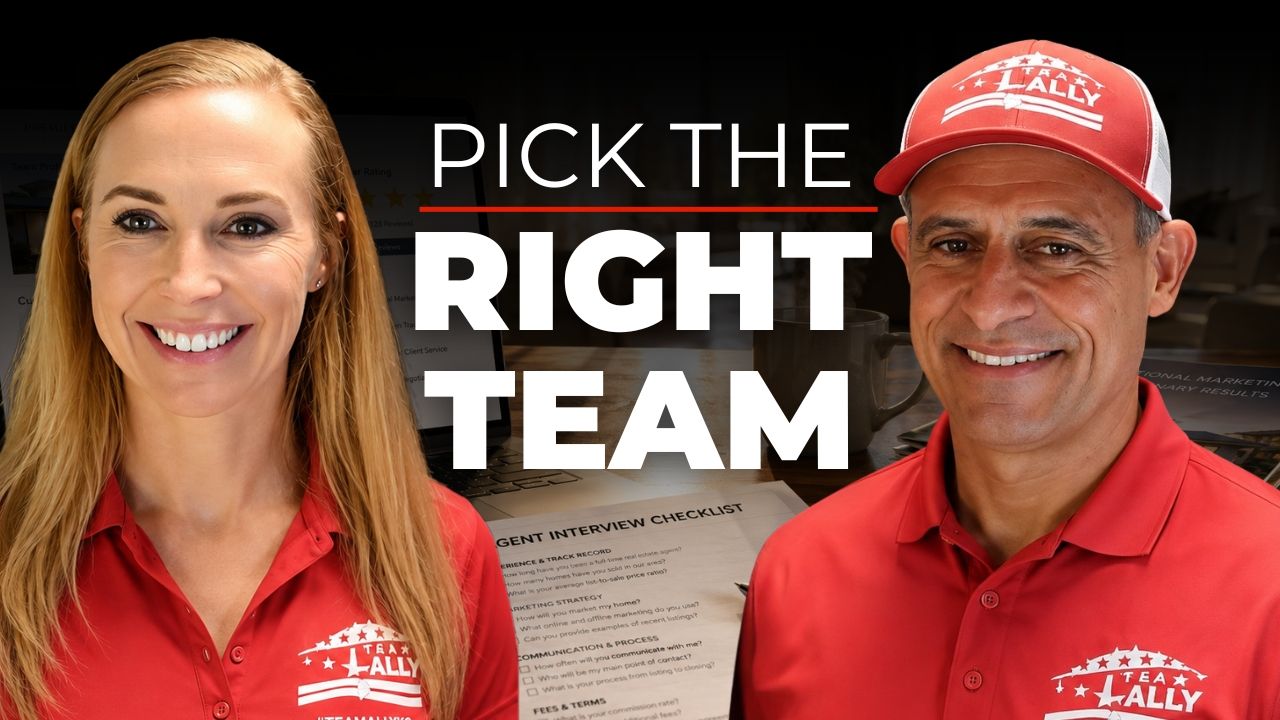
Why Buyers and Sellers Choose Team Lally in Honolulu
Most buyers and sellers spend more time picking a restaurant than they do picking a real estate agent, and it shows. When the market gets tough, the wrong agent can cost you time, money, and a whole lot of frustration. In this video, we walk you through what to actually check before you hire anyone, share a real client story that shows what the right team can do, and explain why our clients keep putting their personal relationships on the line to refer us. Watch our video to see what working with the right team actually looks like.
Where Can I Find Reviews for Kapolei Realtors?
If someone is searching for where to find...